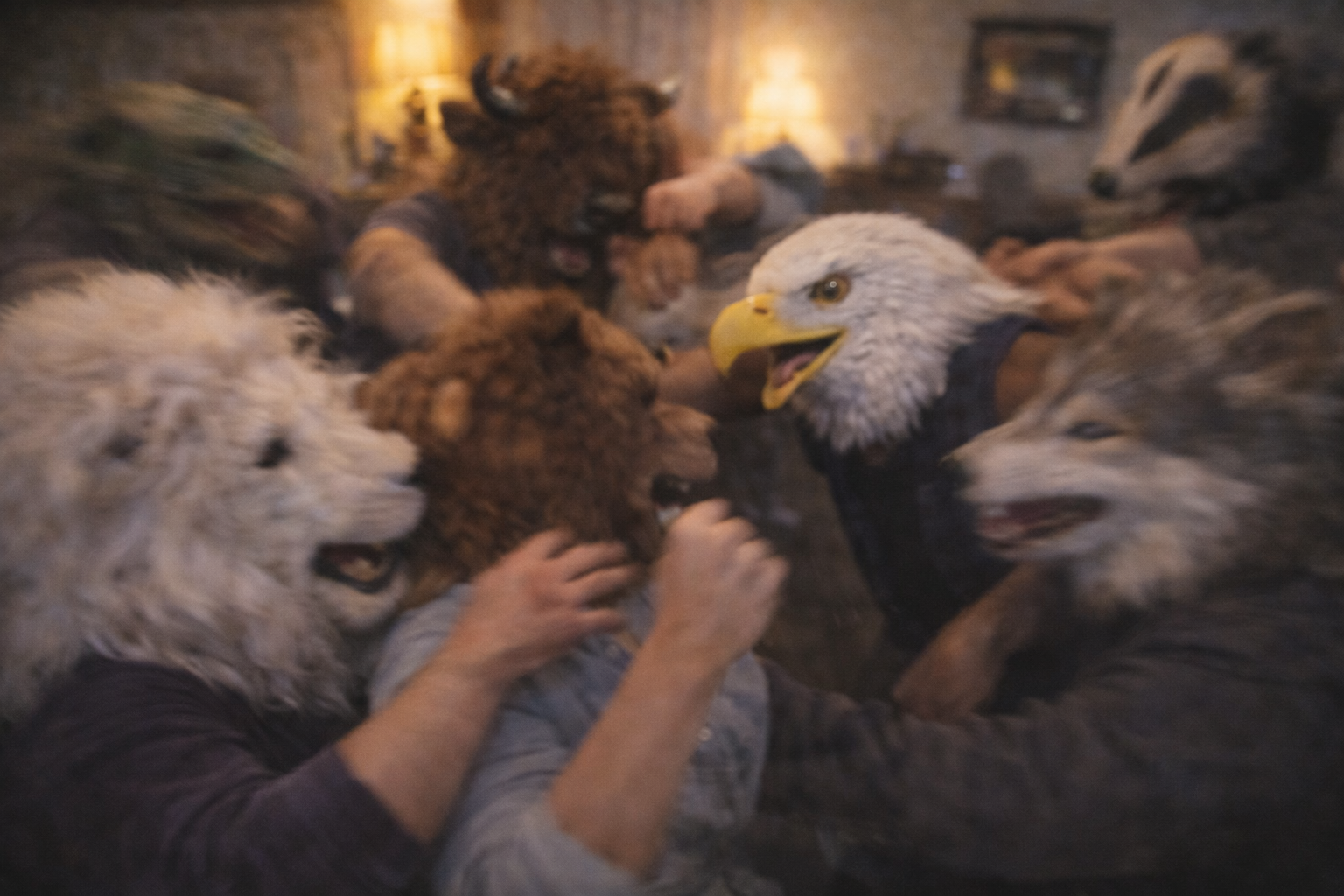
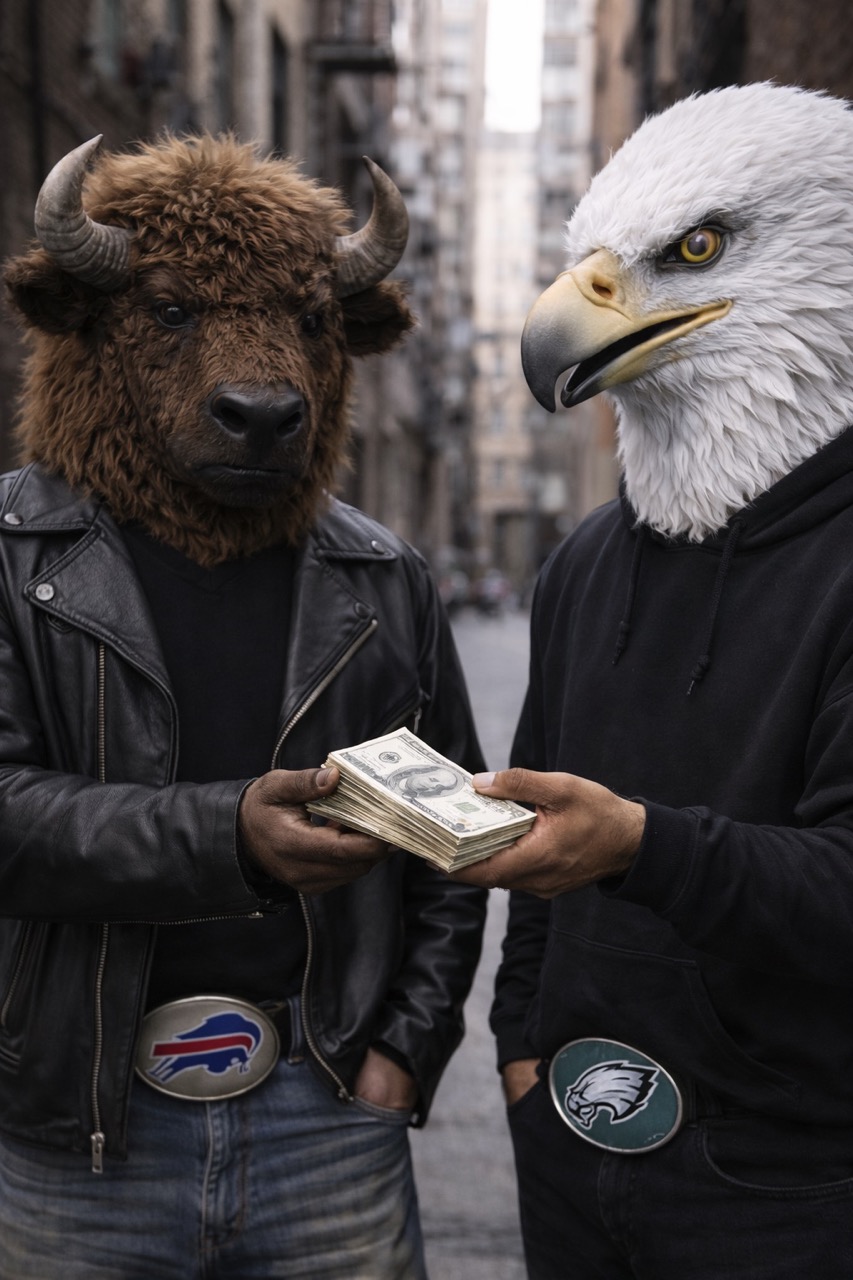
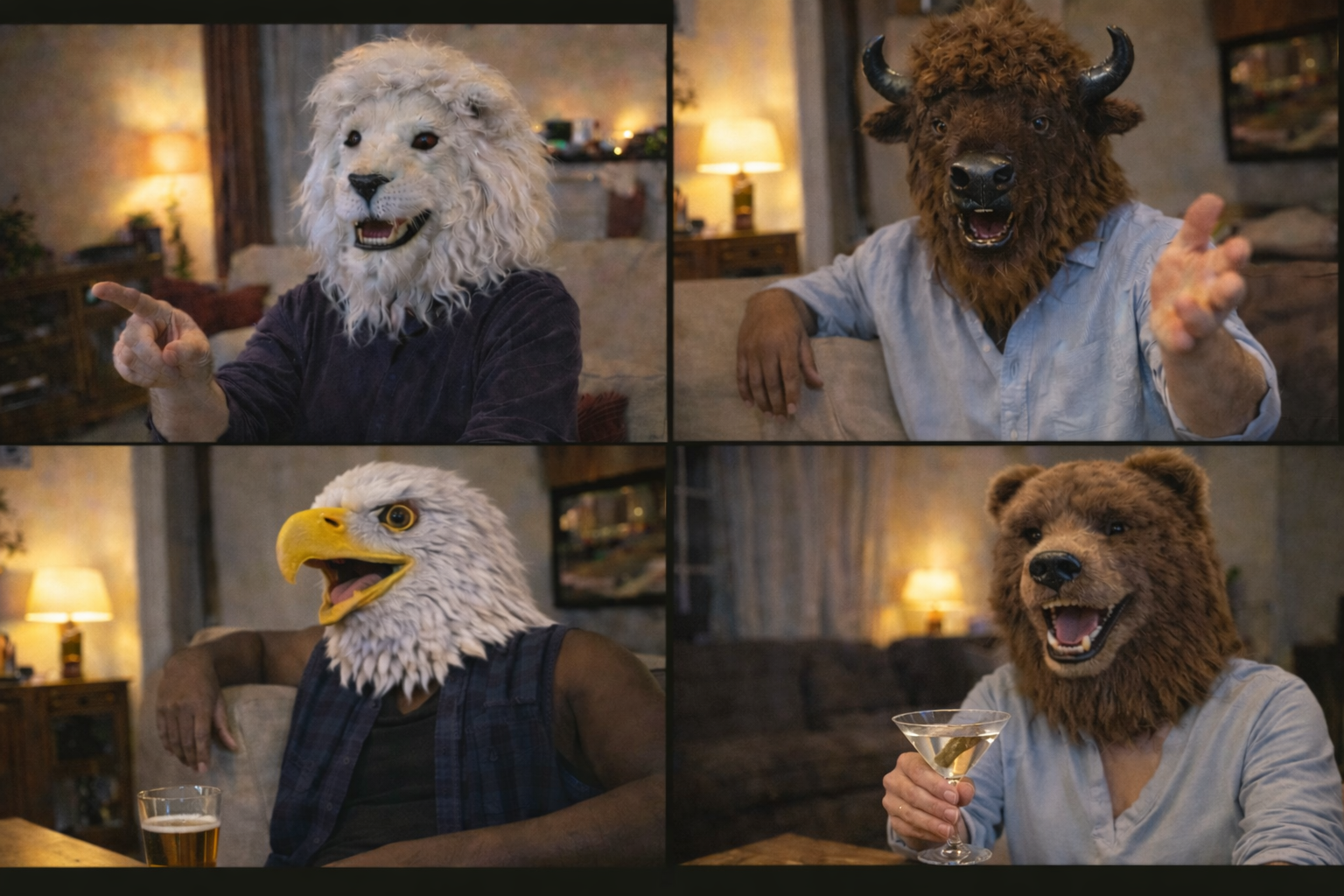
04 — Origins
A short history of fantasy football.
To understand where RiVL is going, it helps to know where the game has been.
- 01
1962
Wilfred Winkenbach's Napkin
Raiders limited partner Wilfred 'Bill' Winkenbach sketches the rules of the first fantasy football league in a Manhattan hotel room. Joined by Bill Tunnell and Scotty Stirling, they draft the GOPPPL charter — owners pick real NFL players, score on actual performance, and compete weekly. The first draft is held in Winkenbach's basement in August 1963. No one imagines they are inventing a category that, decades later, will captivate nearly a third of U.S. adult sports fans.
- 02
1980s
Out of the Bar, Into the Mainstream
The game spreads through sports bars, firehouses, and office break rooms — passed person-to-person like an oral tradition. Commissioners hand-calculate scores from newspaper box scores and mail out photocopied newsletters. Rotisserie baseball, codified in 1980 by Daniel Okrent and a group of New York journalists, gives the fantasy movement its first mainstream press wave. By decade's end, fantasy football has become a national pastime waiting for a distribution channel.
- 03
1997
The Internet Era
CBS SportsLine launches the first commercial online fantasy product in 1997. Yahoo! Fantasy Football follows in 1999 — free, ad-supported, and built for scale. Automated scoring, live stats, waiver wires, and projections become standard. Participation explodes from tens of thousands to millions. The commissioner's role shifts from accountant to mediator, and a new generation discovers that fantasy makes every game personally consequential.
- 04
2009
Mobile + Social
The smartphone era turns lineup management into a pocket ritual. ESPN, Yahoo!, and NFL.com consolidate the market with native apps, push notifications, and integrated chat. Fantasy becomes a continuous, week-long conversation. But with three platforms dominating season-long play, innovation stalls. The core loop — draft, set lineup, check scores — calcifies, and by decade's end the experience looks nearly identical to the day the App Store launched.
- 05
2015
DFS Disruption
DraftKings and FanDuel reframe fantasy as a daily, gambling-adjacent product with massive TV ad spends and Monday-morning cash prizes. Legal battles over whether DFS constitutes gambling reshape regulation across dozens of states. When PASPA is overturned in 2018, the same operators pivot toward sportsbooks. Meanwhile, the season-long game — the format 40 million Americans still play every fall — is left on user interfaces designed for a 2010 audience.
- 06
Today
Enter RiVL
Roughly 85 million North Americans play fantasy sports, yet the season-long format has seen no meaningful reinvention in over a decade. The audience is now younger, more mobile-native, and more social — accustomed to creator-driven communities and willing to pay for experiences that respect their time. The opportunity is to rebuild season-long fantasy around what players actually do today: talk, debate, customize, share, and compete. RiVL is being built for that player, by someone who has been one for 20 years.